
Resources for Coaches
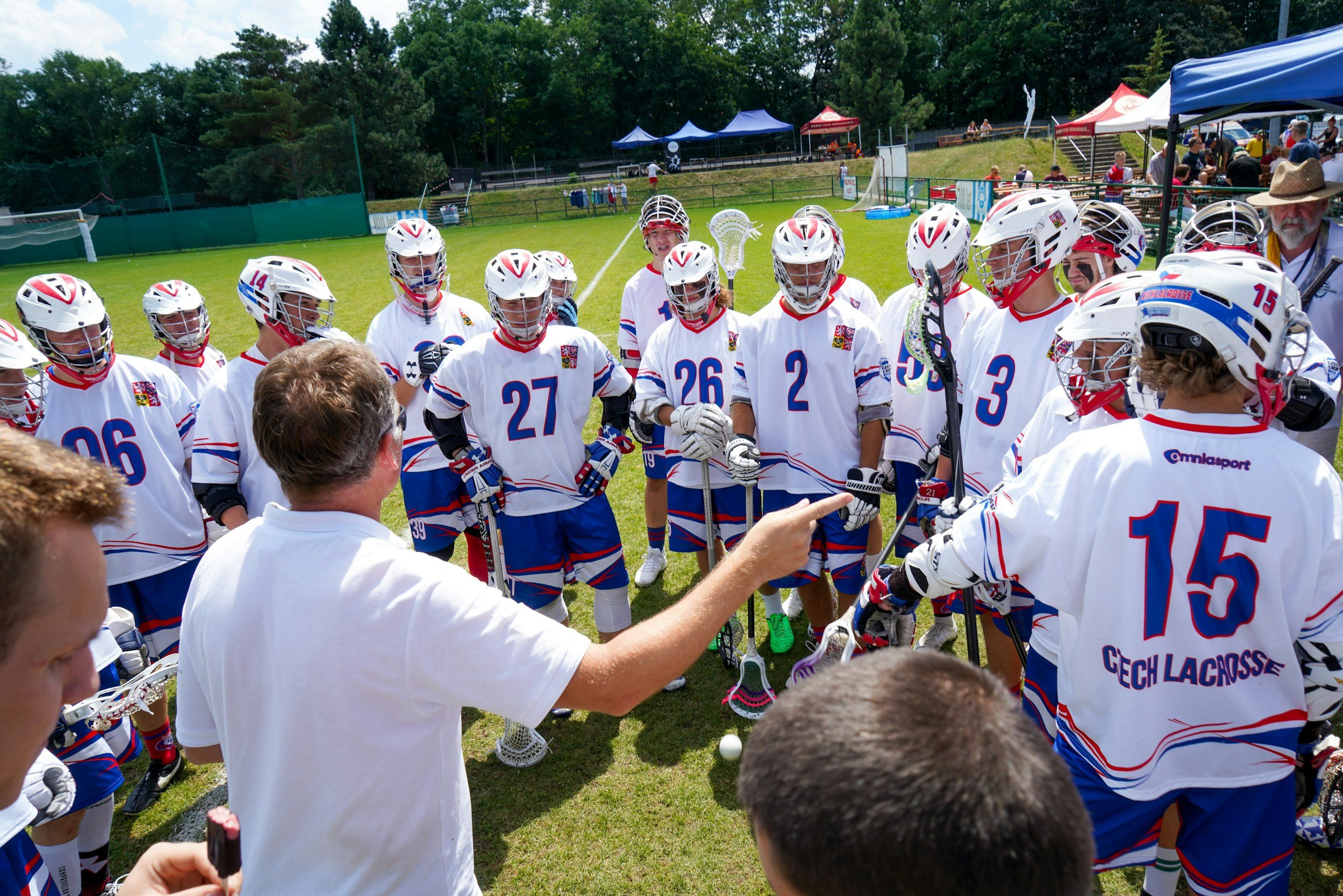
Improve Team Cohesion and Support Your Athletes
Overcoming Mindset Challenges in Athletes
As a coach, you're not only responsible for the physical training of your athletes but also for their mental preparation. The mental game is just as crucial as physical prowess when it comes to performance enhancement. Learn how to improve team cohesion and effectively support your athletes.
Understanding the Challenges Athletes Face and Mental Tools to Help
-
Performance anxiety can severely hinder an athlete's ability to perform. Athletes might feel overwhelmed by the pressure to succeed, leading to nervousness and self-doubt.
Mental Tools for Coaches:
Relaxation Techniques: Teach deep breathing, meditation, and visualization exercises to help athletes stay calm under pressure.
Positive Reinforcement: Regularly acknowledge and praise efforts, not just results, to build confidence.
-
A lack of confidence can prevent athletes from reaching their full potential. This often stems from fear of failure and past negative experiences.
Mental Tools for Coaches:
Goal Setting: Set realistic, attainable goals to help athletes build self-efficacy and track their progress.
Visualization: Encourage athletes to visualize success and their best performances to foster a positive mindset.
-
Mental fatigue can occur due to intense training schedules and the pressure of balancing sports with other life responsibilities.
Mental Tools for Coaches:
Rest and Recovery: Emphasize the importance of rest and ensure athletes have adequate recovery time.
Mindfulness Practices: Introduce mindfulness techniques to help athletes stay present and manage stress.
-
Maintaining consistent motivation can be challenging, especially during long seasons or after setbacks.
Mental Tools for Coaches:
Motivational Interviews: Conduct regular one-on-one sessions to understand athletes' goals and motivations.
Varied Training: Keep training sessions varied and engaging to prevent monotony and burnout.
Supporting Your Athletes
Create a Supportive Environment: Foster a positive, supportive team culture where athletes feel safe to express their concerns and challenges.
Promote Balance: Encourage athletes to maintain a healthy balance between their sport, academics, and personal life to prevent burnout.
Provide Resources: Offer resources such as articles, workshops, and access to sport psychology professionals to help athletes develop their mental game.
Strategies to Improve Team Cohesion
Team-Building Exercises
Trust Falls: Have team members stand in a circle. One person stands in the center, closes their eyes, and falls backward, trusting the group to catch them.
Human Knot: Team members stand in a circle, reach across, and grab the hands of two different people. The goal is to untangle the knot without letting go of hands.
Rope Courses: Engage in outdoor rope courses that require teamwork and communication to navigate through various obstacles.
Group Challenges: Set up challenges that require cooperation, such as building a structure with limited resources or completing a puzzle as a team.
Scavenger Hunts: Create a scavenger hunt that requires teams to work together to find items or complete tasks around a specified area.
Communication Drills
Back-to-Back Drawing: Pair up teammates and have them sit back-to-back. One describes a simple image, while the other tries to draw it based on the description alone.
Telephone Game: Have team members sit in a line or circle. The first person whispers a message to the next person, and it continues down the line. The last person says the message out loud to see how much it has changed.
Silent Line-Up: Challenge the team to line up in order of height, birthdate, or other criteria without speaking. This encourages non-verbal communication.
Minefield: Set up an obstacle course and have one team member blindfolded while others guide them verbally through the course without touching any obstacles.
Two Truths and a Lie: Each team member states two true things and one false thing about themselves. The rest of the team guesses which statement is the lie, fostering open communication and getting to know each other better.
Additional Activities
Team Meetings: Regularly scheduled team meetings to discuss goals, strategies, and any issues. This promotes open communication and ensures everyone is on the same page.
Role Reversal: Have team members switch roles or positions for a practice session. This helps them understand the challenges and responsibilities of their teammates.
Buddy System: Pair up team members for certain drills or activities. This builds trust and improves communication between individuals.
Conflict Resolution Workshops: Hold workshops or sessions focused on conflict resolution techniques, helping team members to effectively manage and resolve disagreements.
Debrief Sessions: After games or practices, hold debrief sessions where team members can openly discuss what went well and what could be improved.